 Made in Germany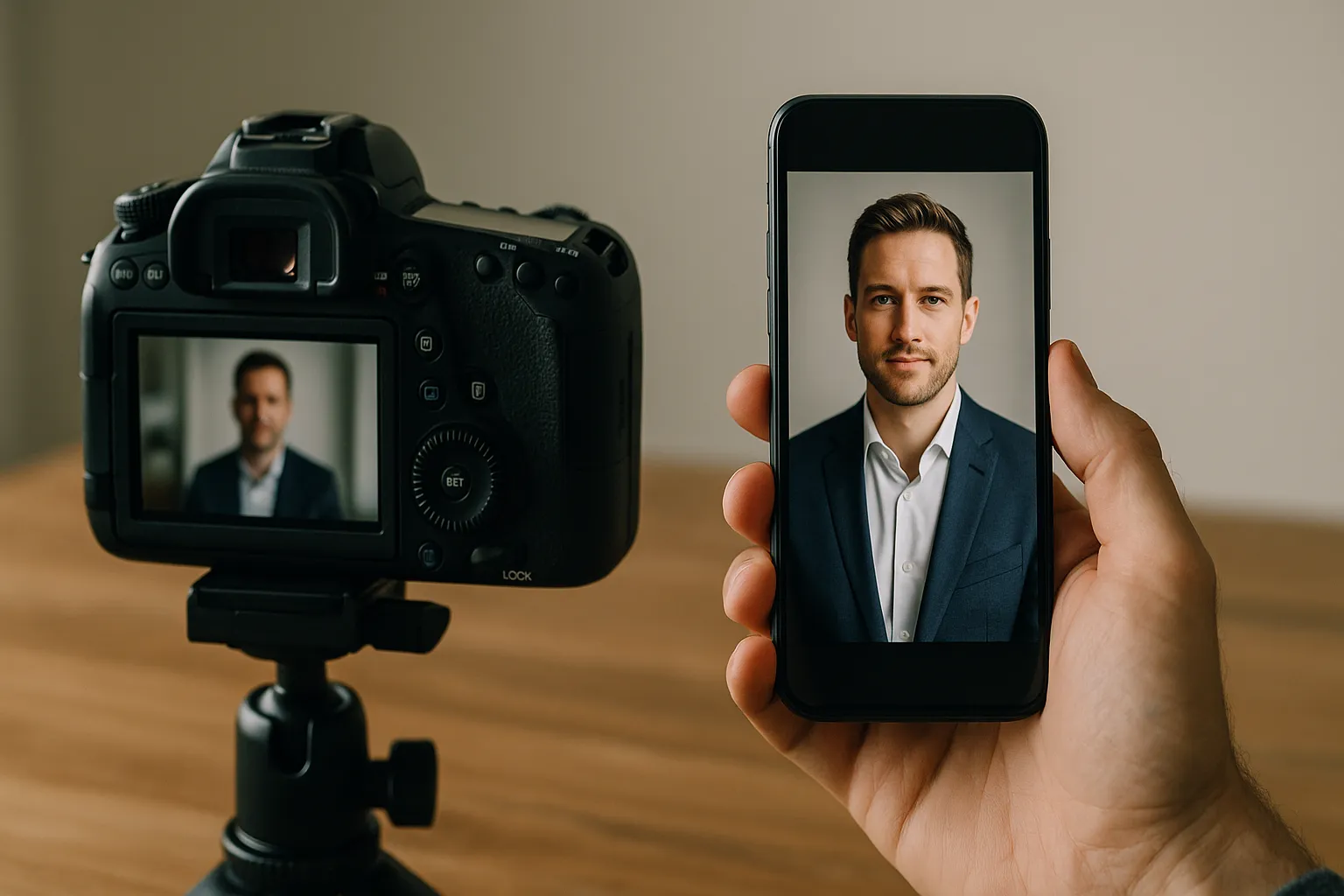
If people form a first impression in about a tenth of a second, what is your headshot saying before you say a word? That tiny sliver of time is enough for someone to decide whether you look competent, likable, and trustworthy. In a digital-first world, your photo becomes the face of countless emails, proposals, intros, and profile views. No pressure, right? Here’s the upside: a few small, deliberate choices can make a huge difference.
This guide distills practical business headshots tips you can use whether you’re booking a photographer or DIY-ing with a smartphone. We’ll walk through modern expectations, prep and wardrobe, angles and expressions that flatter, lighting that supports your brand, and how to crop for a standout LinkedIn presence. Think of it as a smart tune-up for your professional image. One hour of prep now can pay off for years. Ready to look like the person people want to work with?
Business Headshots Tips: The Modern Essentials
A great headshot is a handshake in pixels. It sets a tone, frames your professional story, and primes people to expect a certain experience from you. The most practical business headshots tips start with intent: what do you want the image to signal, to whom, and where will it live? An executive bio, a startup pitch deck, and a consulting website each call for different choices. Knowing that before you start keeps everything else simple.
What a modern headshot signals to clients and employers
Modern corporate portrait guidance suggests balancing approachability with authority. Employers scan for cues of reliability and clarity; clients scan for warmth and connection. Crisp lighting and a clean background shout “organized,” while a relaxed posture and engaged eyes whisper “I’ll be good to work with.” Consider your industry’s norms: a venture-backed founder might lean into bold contrast and a contemporary backdrop; a financial advisor might favor neutral backgrounds, even light, and classic attire.
There’s also the platform factor. On LinkedIn, thumbnails are small, so cropping tighter and prioritizing eyes matters. On a personal website, a wider crop that shows a hint of environment can add personality. Consistency across channels builds instant recognition. Ask yourself: if someone sees your photo on a proposal and later on your profile, do they immediately know it’s you?
The three controllables: look, light, and location
Every strong professional portrait is a triangle of decisions: your look (grooming, clothing, expression), your light (natural, studio, or hybrid), and your location (background, environment, or seamless). Nail two and the third can be simple. For example, sharp light and a minimalist backdrop can carry a modest outfit; impeccably tailored clothing with a friendly expression can shine in soft window light.
Treat expression like posture for the face: lift the chest, lengthen the back of the neck, and let the eyes do the convincing. In short: eyes engage, posture leads, and lighting flatters. When in doubt, think of a real person you enjoy working with and let that energy show up in your gaze.
How to Prepare and What to Wear for Business Headshots
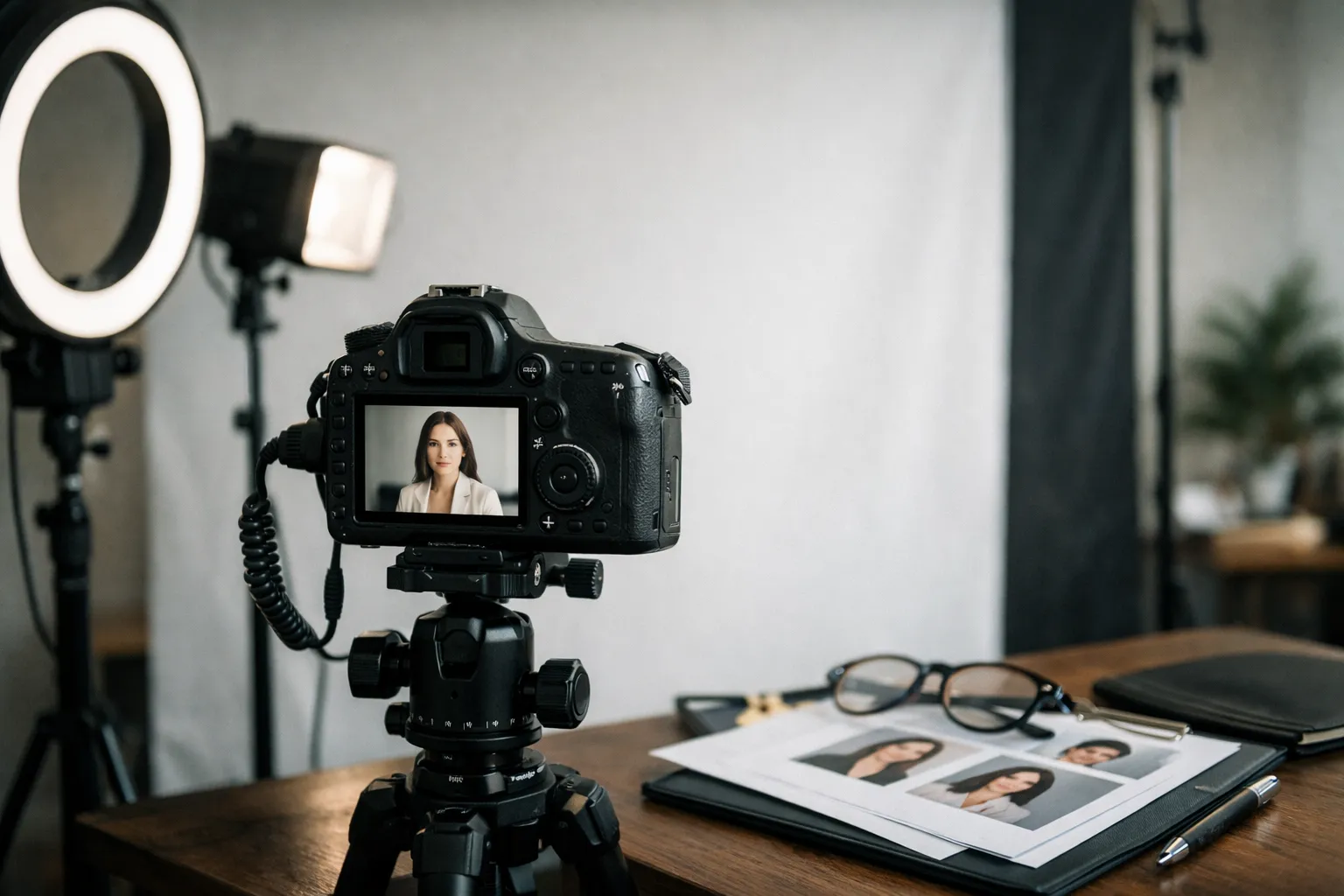
Preparation is where most of the value lives. A few decisions upfront save dozens of retakes later. The following business headshots tips cover the essentials from a week out to the morning of the shoot.
Step-by-step headshot prep checklist
Here’s a compact plan you can follow without fuss.
- Confirm your brand look: 2 outfits, aligned to industry and role; press them ahead of time.
- Grooming tune-up: haircut 5–7 days prior; hydrate, sleep, and avoid new skincare right before.
- Practice micro-expressions: eyes to the lens, slight squint, relaxed jaw; 3 minutes in a mirror helps.
- Logistics: schedule during your best energy window, pack lint roller, blotting papers, and water.
- Tech check (DIY): clean lens, set HDR off, use gridlines, and lock focus/exposure on the eyes.
Quick story: Evan, a sales director, set a 10-minute prep the night before—pressed jacket, swapped a shiny tie for matte, practiced three expressions. The next day he finished his session in 12 minutes with three usable images. Prep buys you confidence on camera.
What to wear for business headshots: fit, color, and style
Think fit first. Structured pieces with clean lines photograph better than slouchy knits. For color, mid-tones beat extremes: navy, forest, charcoal, deep teal, and saturated burgundy often flatter. Avoid high-sheen fabrics that create hot spots under light. Patterns should be subtle; the goal is your face, not your shirt.
Below is a quick wardrobe reference you can screenshot before your session.
| Color/Pattern | When It Works | Avoid If | Notes |
|---|---|---|---|
| Navy, charcoal, forest | Most corporate settings | Background is same color | Timeless, easy to match |
| Soft white, cream | Bright, airy brands | Under harsh lighting | Prevents color cast; watch exposure |
| Deep jewel tones | Creative/tech roles | Very saturated brand colors | Adds energy without shouting |
| Thin stripes, micro-checks | Casual business | On-camera moiré risk | Test a quick photo first |
| Bold patterns, logos | Rarely | High-stakes formal portraits | Distracting; date-stamps the photo |
For accessories, keep it simple and matte. Glasses are fine—just tilt slightly to avoid glare or ask your photographer to tweak the lights. And remember: well-fitted clothes beat expensive clothes, every time. One more tip: bring a backup top. Spills and lint happen.
Best Angles, Poses, and LinkedIn Optimization
Angles and posing aren’t about trickery; they’re about clarity. The right choices highlight intent and minimize distractions. Layer these business headshots tips with micro-adjustments and you’ll see immediate results. Ever seen two photos taken seconds apart that feel wildly different? That’s angle, posture, and expression doing quiet magic.
Best angles for business headshots: face shape and posture
Start with posture: feet planted, hips slightly away from camera, shoulders angled, sternum up, chin gently forward and down. That tiny move sharpens the jawline and brings the eyes to life. Round faces benefit from a bit of side light and a three-quarter angle; longer faces often look balanced with a straighter camera axis and a slightly higher lens position.
Use the “eyes-first” rule: engage the lens with your eyes, then let a small smile reach them. Keep the mouth relaxed—you can rotate through neutral, friendly, and confident to match different use cases.

“Confidence lives in the eyes; structure lives in the jawline. Light and posture should serve both.”
A quick case in point: Priya, a marketing manager, updated her photo using a slightly higher camera angle, soft window light, and a tighter crop on the eyes. According to her LinkedIn analytics, profile views rose 38% in 30 days, and she fielded two recruiter inquiries the following week. Small changes, big ripples.
LinkedIn headshot tips for professionals: framing, crop, expression
On LinkedIn, go tighter than you think: eyebrow to collarbone fills the circle well and keeps your eyes visible even on mobile. Center your eyes roughly one-third from the top of the frame. Avoid heavy side crops that hide one eye—symmetry reads as stable.
Expression-wise, aim for “approachable authority.” A gentle smile with engaged eyes beats a wide grin that crinkles into squinting. If you wear glasses, ensure catchlights (little reflections) are on your irises; they signal aliveness. For quick refinements, tools like Canva make cropping and subtle brightness adjustments simple. And since members with a profile photo get significantly more views, following LinkedIn best practices is low-effort, high-return. After you upload, ask a colleague: does this feel like me on my best workday?
For inspiration, you can check out our blog post about LinkedIn headshots examples.
Lighting Setup and Background Ideas for Corporate Headshots
Light shapes mood. Backgrounds set context. Together, they tell the story before any text does. The right business headshots tips here make the difference between “just fine” and “that’s the one.”
Lighting setup for corporate headshots: natural vs. studio
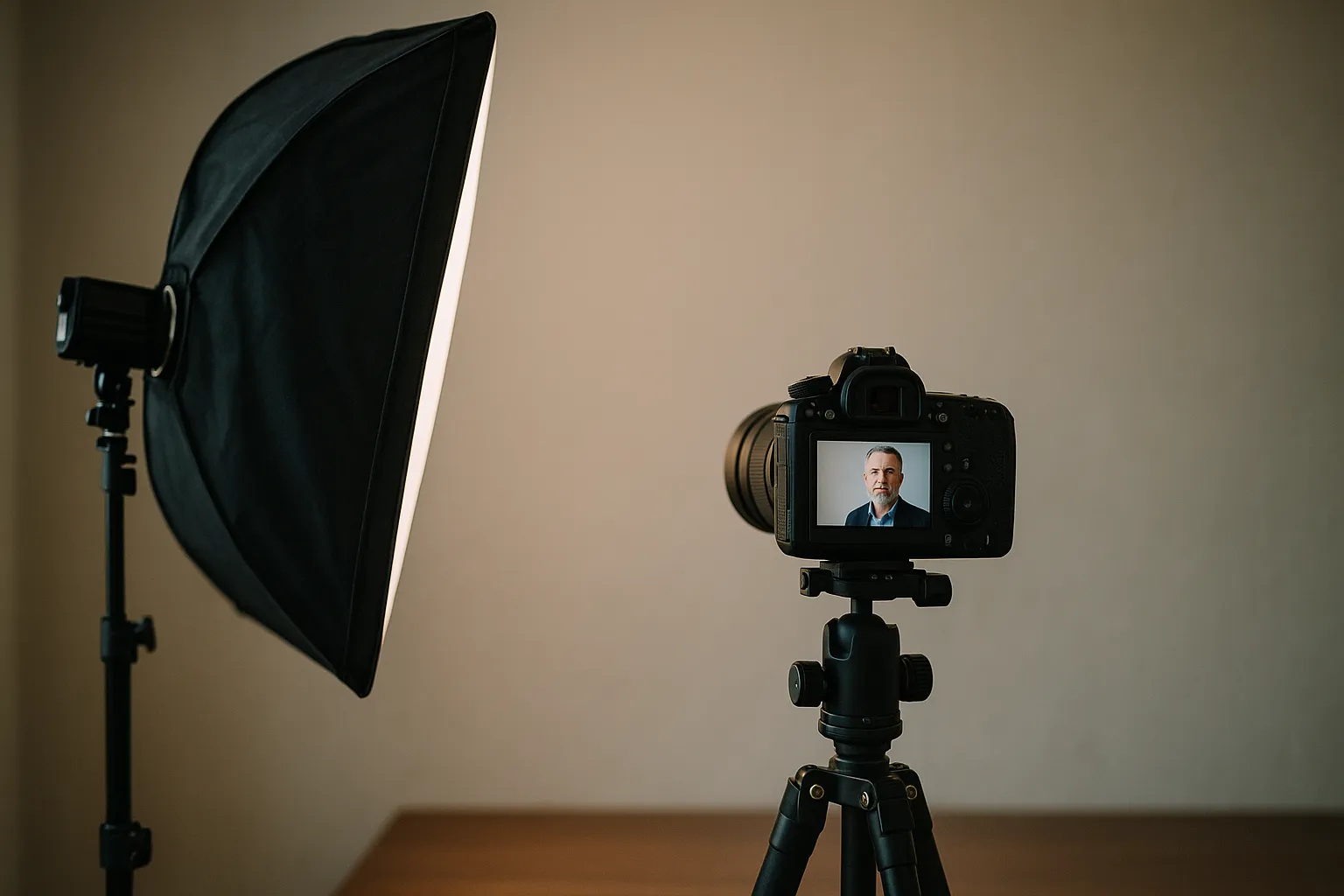
Natural light is accessible and flattering when controlled. Face a large window, turn off overhead lights, and use a white wall or foam board as a reflector to open shadows. Overcast days give soft wrap; direct sun requires shade or diffusion. Studio light, meanwhile, is consistent and repeatable. A single softbox 30–45 degrees off-axis, slightly above eye level, with a reflector under the chin, creates classic, professional dimension.
Use this quick comparison when choosing a setup:
| Lighting Type | Pros | Watch-outs | Who It’s For |
|---|---|---|---|
| Natural window light | Soft, flattering, free | Inconsistent weather; color shifts | DIY shooters, brand shoots with daylight |
| One-light studio (softbox) | Consistent, directional, scalable | Can look flat without fill | Teams needing uniform results |
| Two-light (key + fill) | Polished, controlled contrast | Requires space and stands | Executives, formal portraits |
| Clamshell (key + reflector) | Youthful, clean skin look | Can minimize character if overdone | Beauty, modern tech brands |
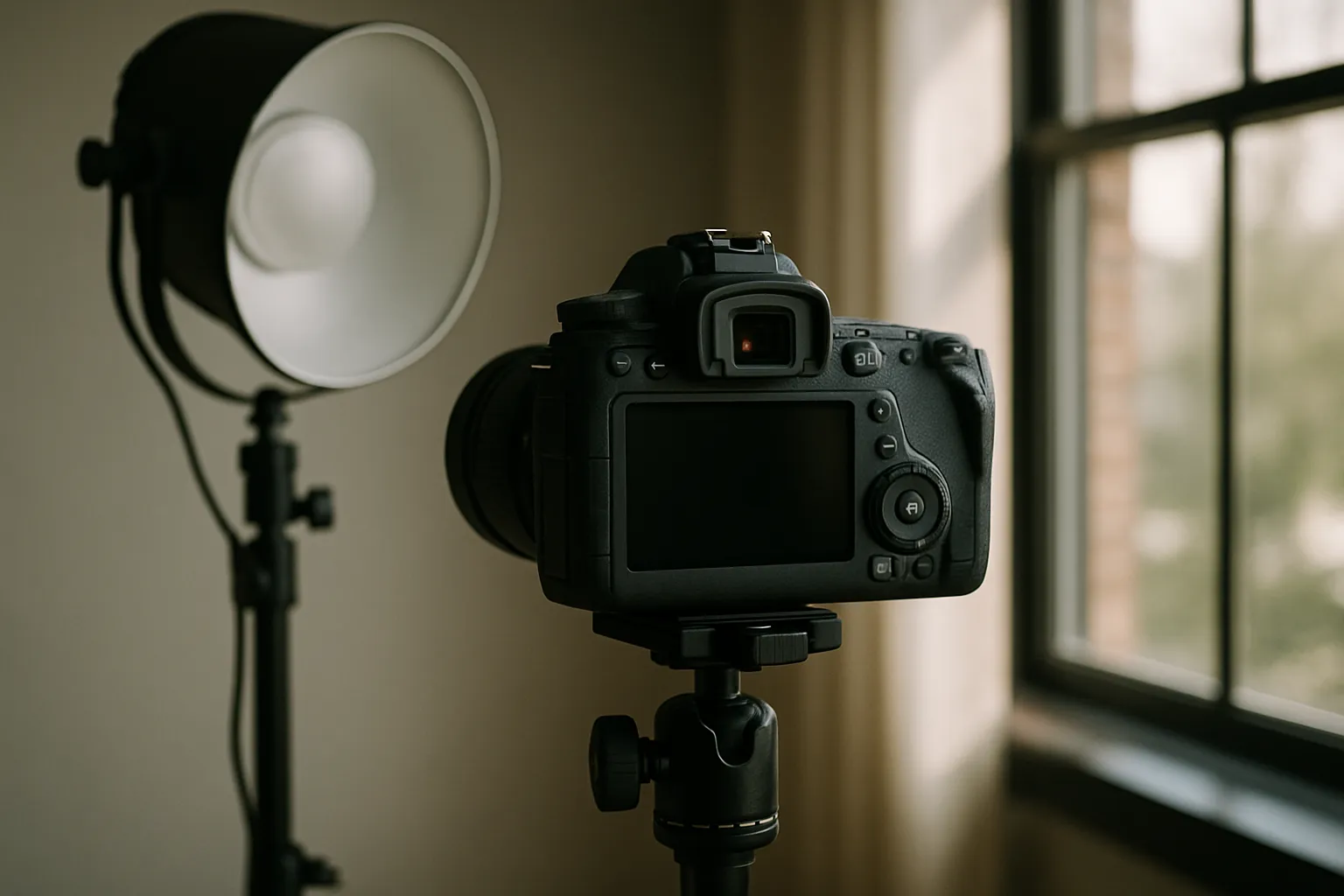
For color accuracy, shoot near neutral walls and avoid mixed light sources. If you’re hiring, ask your photographer for a reference image close to your brand’s vibe—you’ll get there faster when both of you see the same target. One more pro move: take a quick test shot and review it at phone-size. That’s how most people will see you first.
Business headshot background ideas by brand tone
Backgrounds should support, not compete. For traditional industries, light gray or charcoal seamless paper keeps attention on the face. For approachable brands, textured neutrals like soft concrete or a blurred office add context without clutter. Creative teams can push further with on-brand color backdrops or subtle gradients that feel modern without shouting.
Environmental portraits work when there’s a clear story: a founder in a bright, minimal studio; a consultant near a whiteboard with legible, soft-focus sketches. Aim for separation—a bit of distance between subject and background helps bokeh do its magic and minimizes distractions. Ask yourself: does the background help someone understand what I do, or is it just busy?
You can find more information on this topic in our article Good Headshot Examples.
FAQ: Business Headshots Tips
Practical questions come up every time someone schedules a session. Here are concise answers grounded in experience and data.
How often should I update my business headshot?
A good rule: every 18–24 months, or any time your appearance changes meaningfully (new hairstyle, facial hair, glasses) or your role shifts to a new audience. Consistency builds trust, and outdated photos erode it. If you’re leading external-facing teams or actively job searching, lean closer to 12–18 months.
For teams, plan a recurring headshot day. It aligns styles and lighting, which makes websites and proposals look cohesive. A tiny brand detail? Yes. A credibility booster? Absolutely. One operations lead told us their close rate improved after standardizing team photos—clients felt like they were meeting one polished, unified group.
Can I take a professional headshot with a smartphone?
Yes—if you control light, background, and crop. Face a large window, use a simple backdrop, stabilize the phone at eye level, and lock focus/exposure on the eyes. Avoid wide-angle distortion by stepping back and zooming slightly (2x on many phones approximates a portrait lens). Clean the lens and shoot several expressions.
Basic edits go a long way: minor exposure and white balance corrections, a gentle crop, and spot removal for dust or lint. Keep retouching realistic—aim for “restful” rather than “plastic.” If you’re optimizing for LinkedIn, preview your photo in the circular crop to ensure the eyes remain prominent. For platform specifics, review LinkedIn guidance on profile photos.
Conclusion and Next Steps
Your photo speaks before you do - make it say the right things. If you take nothing else from these business headshots tips, remember this trifecta: intentional prep, flattering light, and honest expression. When those align, you project clarity and confidence across every platform.
Next steps are straightforward. Decide the primary use for your headshot and choose outfits that support that story. Pick a lighting approach that you can replicate (window or one-light), and plan a simple background aligned to your brand tone. For LinkedIn, crop tighter than you think and let your eyes engage the viewer.
Finally, measure. After updating, check profile views and connection acceptance rates over the next month. Anecdotally, professionals who refresh an outdated photo see more profile views and warmer outreach; Princeton University research underscores how quickly impressions form, so your photo is prime real estate. Keep the process light, schedule a refresh on your calendar, and iterate. Your future self—and your future opportunities - will thank you.
If you want a faster, more consistent way to put these principles into practice, consider an AI workflow that does the heavy lifting for you. With studio-grade lighting, clean backgrounds, and professional styling baked in, you can focus entirely on showing up as your best self. Explore how this can look for you and your team on our 👉 AI Business Headshots page.