 Made in Germany
You can feel it the second you open the gallery. One outfit makes you look calm, credible, and easy to talk to. Another-on the same person, in the same lighting-suddenly reads as unsure or dated. That’s the strange little magic behind How to Dress for Headshots: a tiny crop of your face and shoulders can amplify every choice you make, from neckline to color to whether your glasses catch glare.
If you’re prepping for a shoot and wondering how much wardrobe really matters, here’s the honest answer: it matters a lot… but not in a fussy, fashion-editor way. You don’t need a “look.” You need clothing that supports your message, fits cleanly, and stays visually quiet so your expression can do the talking.
So what are we aiming for, really? A photo that looks like you on a great day-rested, confident, and approachable. The kind of image that makes someone think, “Yes, I’d take that call.”
In this guide, we’ll walk through reliable outfit formulas, camera-friendly colors and patterns, the small fit details that read as polished, and industry cues for corporate, tech, law, and creative roles. You’ll also get grooming notes, common mistakes, and a timed checklist so you can show up relaxed and camera-ready-and if you want a broader rundown beyond wardrobe, these professional headshot tips can help you plan the full session.
Outfit Basics for Professional, Corporate, and LinkedIn Headshots
Clothing for a headshot isn’t about showing your entire style; it’s about controlling what the camera notices first. The goal is simple: your face is the headline, and your outfit is the supporting paragraph.
When you get that balance right, people don’t think “nice blazer.” They think, “They seem capable. And pleasant.” That’s the win.
What "professional" looks like on camera
On camera, “professional” usually means clean lines, a bit of structure, and an intentional neckline. A blazer, a crisp shirt, a knit with a tidy collar, or a simple dress with sleeves often reads more polished than you’d expect-even if your day-to-day office runs casual.
One tricky thing: the camera compresses depth. In real life, a soft drape can look elegant. In a tight crop, that same fabric can look like extra bulk or bunching. And anything overly trendy can date your photo fast, which matters when that image might live on LinkedIn for years.
If you want a modern business portrait outfit, aim for classic shapes with one current detail-maybe a contemporary collar or subtle texture-instead of a full trend moment.
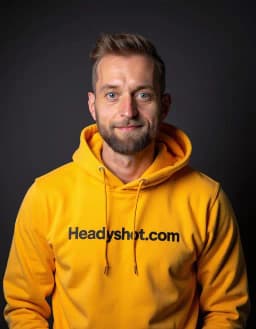
A quick micro-story: a product manager I worked with brought two options, a hoodie and a navy blazer over a crew neck. The hoodie felt “more him,” but in the images it rounded his shoulders and made the neckline look messy. The blazer version made him look more confident and approachable without changing his personality. Same smile, different story.
One punchy rule: if it wrinkles, it shouts.
Baseline outfit formulas that always work
Most professional headshot attire comes down to a few repeatable formulas. Think in layers and necklines, because that’s what shows in a head-and-shoulders crop.
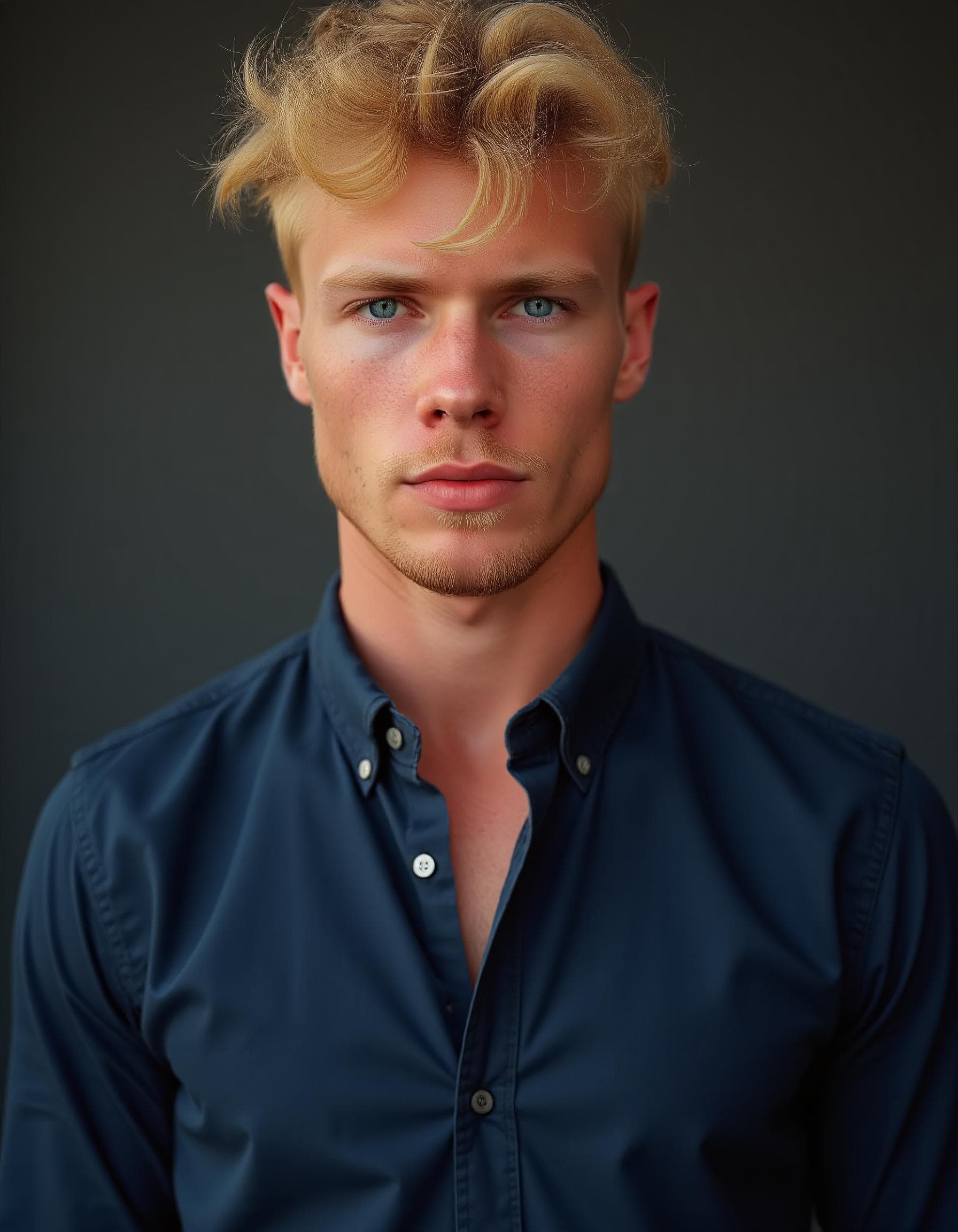
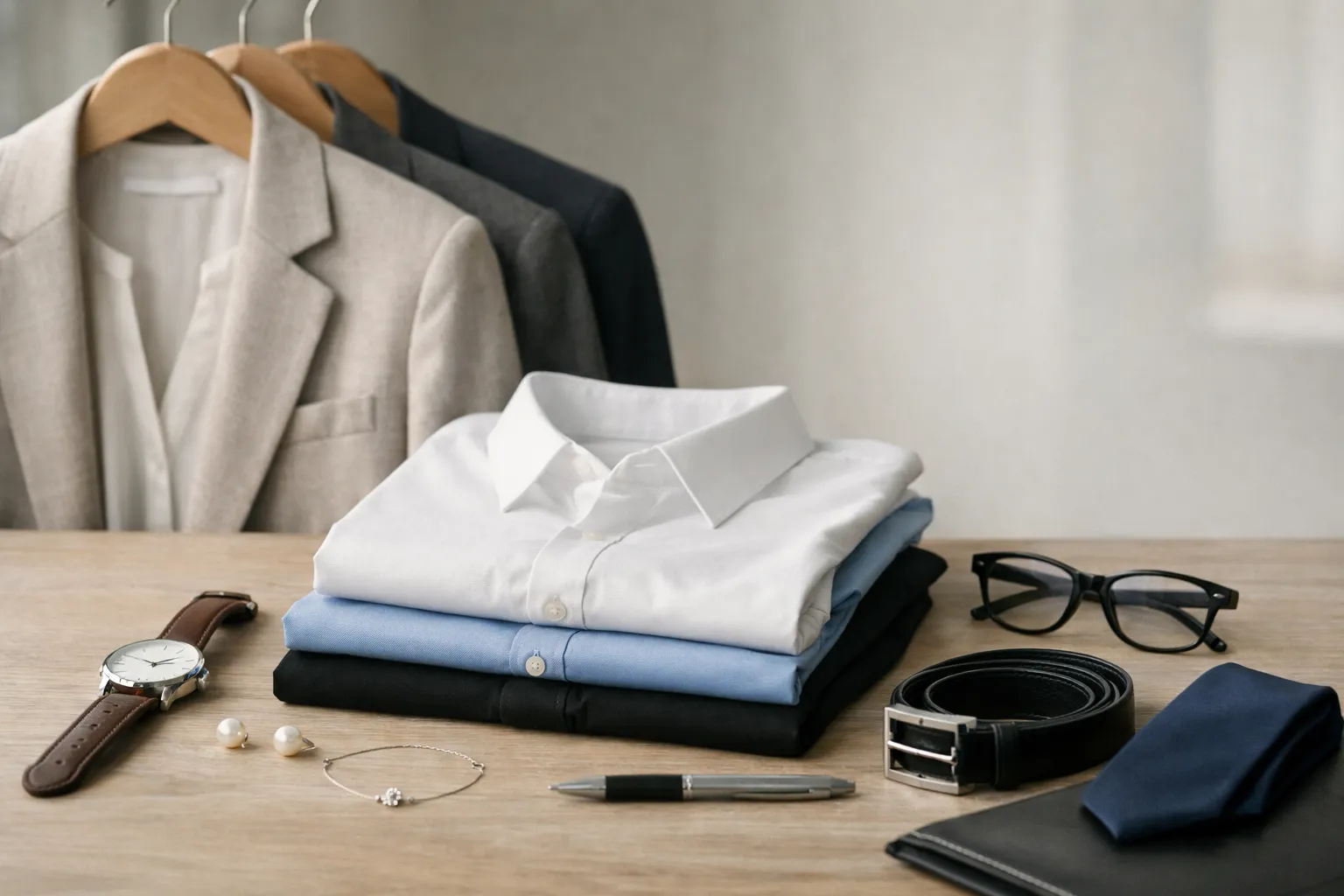
For a corporate look, a blazer plus a simple top is the most forgiving option for almost everyone. Keep lapels flat, avoid bulky shoulder pads, and choose a top that sits smoothly at the collarbone.
If you prefer shirts, a structured button-down works well-just make sure it’s pressed and the collar lies flat (no curled edges, no “one side up, one side down”). For a more modern, less formal vibe, a fitted knit with a clean crew or modest V can look sharp, especially when paired with a jacket.
When you’re building a LinkedIn headshot wardrobe, start with your real dress code… then nudge it one notch more polished. Not a costume. Just the “meeting a new client” version of you (this no-fail guide to outfits for headshots follows the same logic if you want more examples).
Also consider how the photo will be used. A speaker bio might benefit from slightly bolder styling than an internal directory photo. And if you want a practical starting point, pick one “anchor” piece (blazer, dress, or crisp shirt) and choose everything else to make that anchor look effortless.
Colors, Patterns, and Backgrounds: What Flatters on Camera
Color is the fastest way to influence mood in a headshot. It can make your skin look luminous or tired, your eyes pop or fade, and your overall presence feel warm or stern.
The trick isn’t choosing the “best” color on the internet. It’s choosing the best color on you, under the lighting you’ll actually be photographed in.
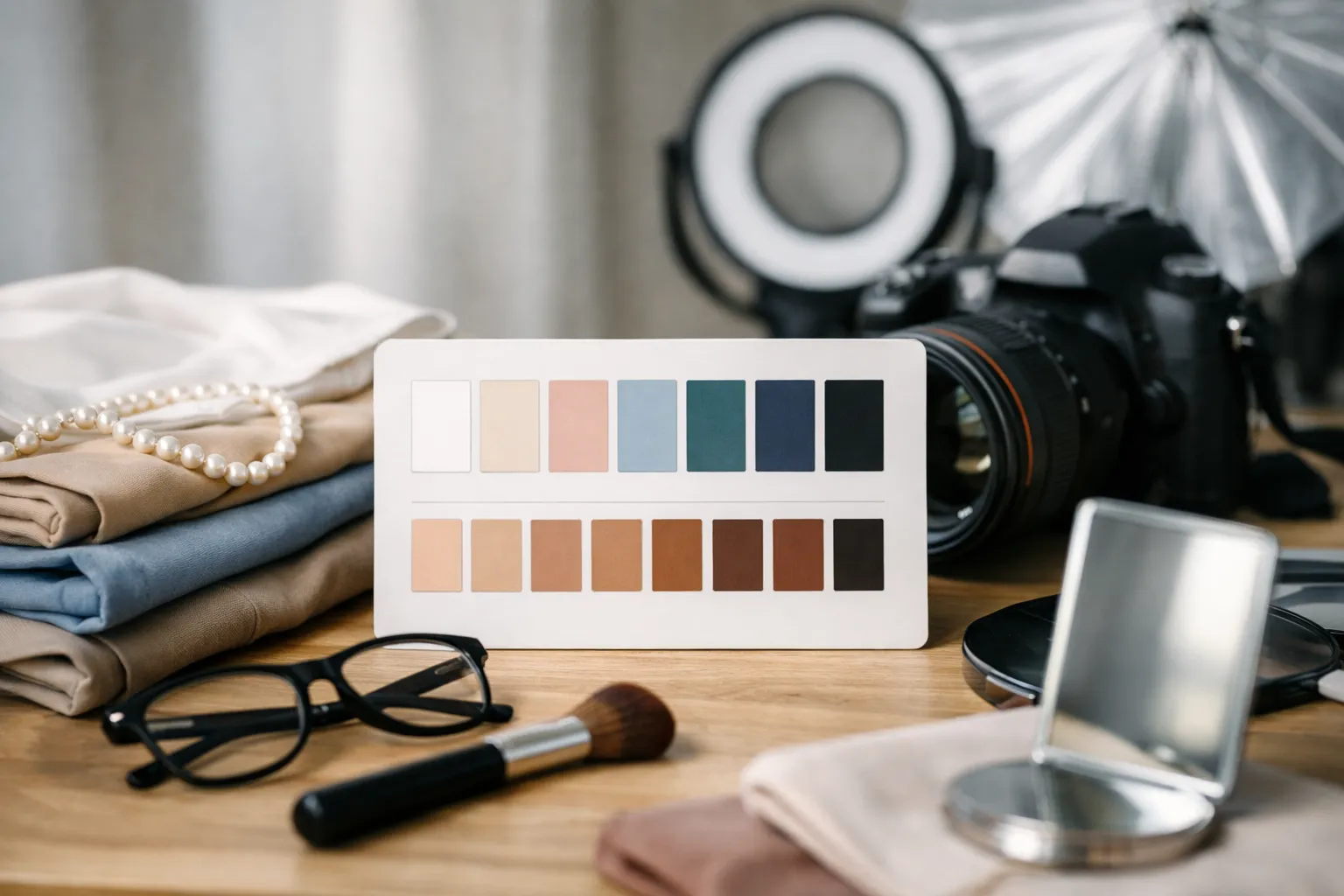
Best colors for professional headshots
When people ask about best colors for professional headshots, I usually start with one question: do you want to read as calm and steady, or energetic and bold? Both can be right-they just tell different stories.
Navy, charcoal, mid-tone blues, forest green, and burgundy tend to photograph well because they have enough depth to frame the face without stealing attention. Softer neutrals can work too, but be careful with pale beige or light gray if your background is also light. You don’t want to fade into the wall.
Here’s a simple reference table you can use when planning business photo attire:
| Color family | What it communicates in a headshot | Works best when | Avoid if |
|---|---|---|---|
| Navy and deep blue | Trustworthy, steady, corporate | You want a classic LinkedIn look | Your backdrop is very dark navy and you lose separation |
| Charcoal and slate | Serious, executive, minimal | You want a clean, modern profile | Your skin tone looks washed out next to cool grays |
| Jewel tones (emerald, burgundy) | Confident, memorable | You want warmth without looking flashy | The fabric is shiny or the color is neon bright |
| Soft neutrals (cream, taupe) | Friendly, approachable | Background is darker and you want softness | Background is light and you risk blending |
| White (as a shirt) | Crisp, formal, classic | You have a jacket layer and controlled lighting | You are wearing it alone under bright light, it can clip highlights |
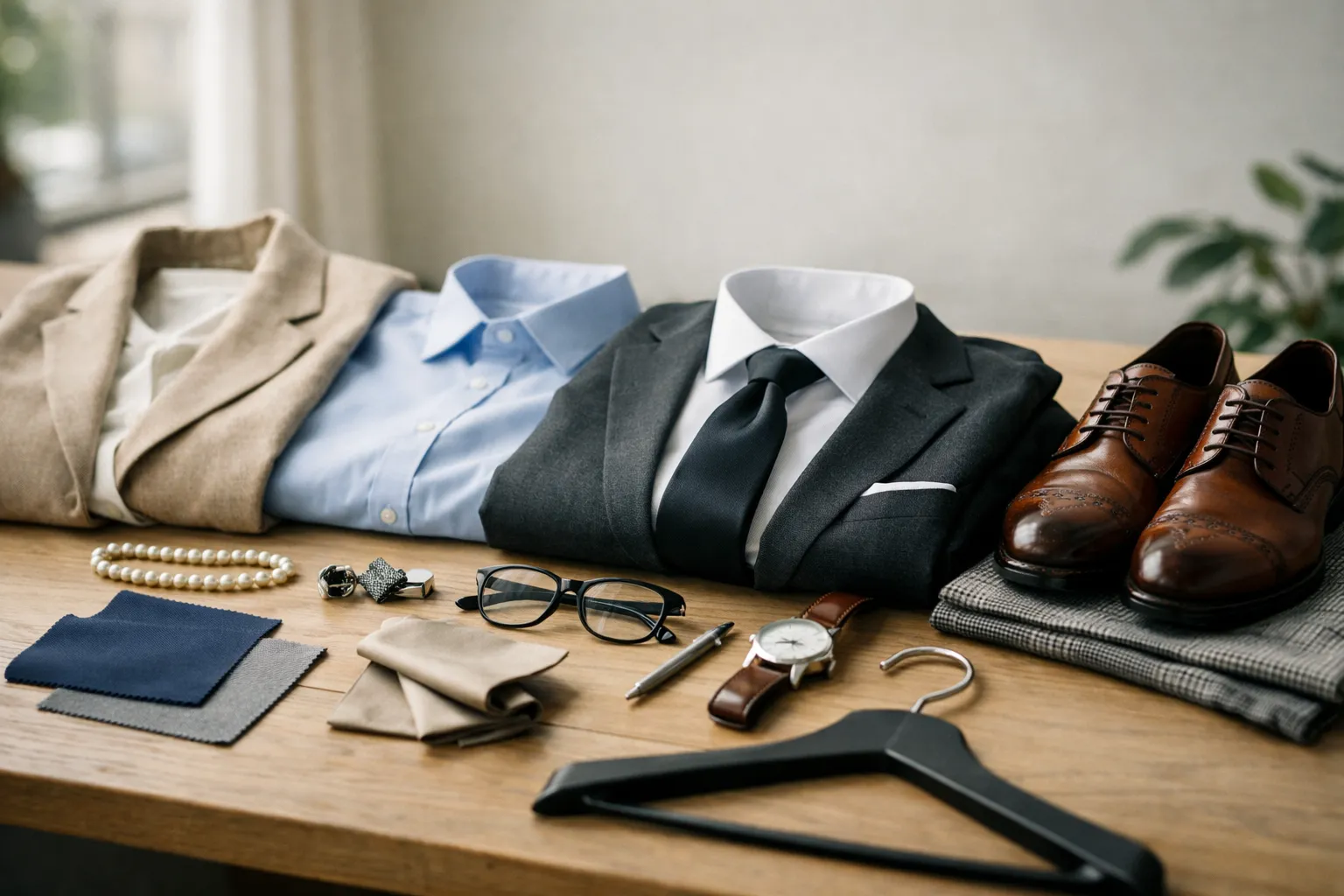
If you’re unsure, bring two options: one deep neutral and one rich color. Your photographer can test a frame, and you can decide quickly-no spiral, no second-guessing. If you want more role-based examples that combine color, fabric, and fit, see these best outfits for business headshots.
Patterns, textures, and how to handle backgrounds
Patterns are where many great outfits fall apart. Tight stripes, small checks, and very fine herringbone can create moiré-that wavy effect that makes the image look like it’s vibrating. Cameras hate tiny repeating patterns.
That doesn’t mean everything must be flat. Texture is your friend when it’s subtle. Think knit weaves, matte crepe, brushed cotton, or a smooth wool blend. Texture adds depth without visual noise.
Now, backgrounds. If your photographer is using a solid studio backdrop, you can wear slightly more color because the environment is controlled. If the headshot is outdoors or in an office, your clothing should be simpler because the background already has detail.
For example, if the background includes greenery, avoid wearing the exact same green. You want separation, not camouflage. And if your background is brick, bookshelves, or city streets, keep your outfit calmer so the photo doesn’t feel “busy” before anyone even reaches your eyes.
If you have the option, ask your photographer what background tones they plan to use. A five-minute conversation can save you from showing up in charcoal on a charcoal seamless, or beige in front of a beige wall. That’s not styling-it’s strategy.
Fit, Layers, Accessories, and Glasses: Details That Define Your Image
This is where headshots are won or lost. In a close crop, fit issues show immediately: a gaping collar, a jacket that pulls, a neckline that won’t lie flat.
Good fit isn’t about tight. It’s about clean.
Fit and tailoring rules that read well in a headshot
Start with shoulders. If a blazer seam sits past your shoulder bone, you’ll look smaller and slouchier. If it sits too far in, you’ll look squeezed. A tailor can fix this, but if you don’t have time, choose the jacket that lies flattest at the shoulder and chest.
Next, neckline. Crew necks and modest V-necks are usually the safest for portrait session wardrobe because they create a clear frame around the face. Very low necklines can pull attention downward. Very high necklines can feel constricting, especially if you have a shorter neck or fuller face.
Turtlenecks can work beautifully when they fit perfectly and the fabric is matte. When they don’t fit perfectly, they can bunch, shine, or exaggerate folds-things you’d never notice in the mirror but the camera will.
Layers help, but only when they’re thin enough to sit smoothly. A blazer over a thin knit reads polished. A bulky cardigan can look like you’re wearing a blanket. In most studio portrait outfit ideas, structure beats volume.
A one-liner to remember: clean edges equal calm confidence.
Accessories and eyewear: should you wear glasses in a headshot?
Accessories work best as punctuation, not the whole sentence. Small earrings, a simple necklace, a watch, or a subtle lapel pin can add personality. Large statement pieces can reflect light, cast shadows, or compete with your eyes.
If you wear a tie, make sure the knot is tight and centered, and the fabric isn’t overly shiny. (Satin ties can look like a spotlight across your chest.)
Glasses are a special case. Ask yourself: when people meet you, do they expect to see you in glasses? If you wear them most days, wearing them in your photo usually feels more honest. If you rarely wear them, leaving them off can avoid glare and distortion.
Worried about reflections? You’re not alone. Ask your photographer if they can angle lights slightly, raise the light source, or have you tilt the frames down a touch. Anti-reflective coatings help, but they’re not magic. For a deeper look at eye health and eyewear basics, the American Optometric Association has practical guidance you can trust.
If your glasses are part of your identity, keep them. If they become the brightest object in the photo, adjust them.
Industry-Specific Wardrobe Guidance (Corporate, Finance, Law, Tech, Creative)
The same outfit can read differently depending on your field. A crisp suit might feel perfect for finance, but oddly formal for a startup founder. A creative director can pull off more color, but still needs clean lines around the face.
Your headshot is a tiny piece of branding-so let’s make sure it matches the room you want to walk into.
Role-based style cues and mini-cases
Corporate, finance, and law tend to reward structure and restraint. Darker neutrals, crisp shirts, and tailored jackets signal competence. In legal settings especially, avoid anything that looks too trendy; it can distract from the seriousness people expect.
Tech is wider. A blazer can still work, but so can a simple knit, a polished overshirt, or a modern collared shirt without a tie. The key is looking intentional, not like you grabbed the closest clean top on the chair.
Creative roles often allow more color, interesting textures, or a signature accessory-but the camera still prefers simplicity around the face. A bright scarf can feel “very you” in real life, but in a headshot it might become the main character.
A quick mini-case with numbers: one marketing consultant updated her corporate headshot outfit tips by switching from a busy patterned blouse to a solid teal top with a blazer. She also matched the background to a soft gray instead of bright white. After uploading the new photo, her LinkedIn profile views rose from about 280 per week to about 380 per week over the next month, roughly a 36 percent increase-and she reported two inbound speaking inquiries that referenced the updated bio page photo. Not magic. Just clarity.
If you’re using an AI headshot service like Headyshot, the same wardrobe principles apply. Clean, solid colors and good fit make the training images more consistent, which helps the results look more like you.
What to wear for a LinkedIn headshot
Here’s a simple headshot outfit checklist by industry vibe. Use it as a starting point, then adjust for your own role and level.
- Corporate leadership: navy or charcoal blazer, solid shirt or knit, minimal jewelry, matte fabrics.
- Finance and accounting: darker suit tones, crisp light shirt, conservative tie if you wear one, avoid loud prints.
- Law: structured jacket, classic shirt, understated colors, keep accessories minimal and timeless.
- Tech and product: blazer or polished jacket optional, solid knit or collared shirt, modern but clean.
- Creative and media: solid base layer, one signature element (color or texture), keep necklines and patterns camera friendly.
- Real estate and client facing sales: approachable colors, well fitted jacket, avoid harsh black if it feels too severe.
If you want platform-specific guidance, LinkedIn itself shares practical photo recommendations in its help documentation. The LinkedIn profile photo tips are worth a quick read because they align with what photographers see in real sessions.
Grooming, Hair, and Makeup for Camera-Ready Confidence
Wardrobe sets the frame; grooming finishes the picture. The camera is honest about shine, flyaways, and dry lips-especially under studio lights.
You don’t need a dramatic makeover. You need a controlled, well-rested version of you.
Makeup and grooming for headshots: camera-safe practices
The biggest makeup issue in headshots is unwanted shine. Even if you never wear makeup, a light mattifying powder can reduce forehead and nose shine and keep attention on your eyes.
If you do wear makeup, aim for slightly more definition than everyday, because cameras soften contrast. Think: a bit more brow structure, a touch more blush, and lip color that matches your natural tone rather than a trendy shade that might date quickly.
Skin prep matters more than most people expect. Hydrate. Stick to your normal routine. Avoid trying a new serum three days before the shoot (your future self will thank you). For evidence-based skincare basics, the American Academy of Dermatology is a solid resource.
Hair should look like you, just with fewer distractions. Smooth flyaways, check your part, and consider a little volume at the crown; very flat hair can make the face look wider in a close crop. Facial hair should be shaped and consistent. If you’re between beard lengths, pick one and commit a few days before the shoot so it looks intentional.
One punchy reminder: the camera loves consistency.
Men vs. Women: Small Differences That Matter
While anyone can use any grooming approach that fits their style, there are a few patterns that show up in sessions.
Many men benefit from light powder (especially with bright lighting) and a quick check for collar fit, lint, and dry lips. Many women benefit from slightly more eye definition than daily makeup and a neckline that sits smoothly if hair is down.
If you wear your hair up often at work, consider matching that for authenticity. If you usually wear it down but it falls into your face when you move, bring clips for a few frames. Want to look approachable? Keep hair off the eyes. People connect through eye contact-even in a photo.
Nails, if visible, should be clean and simple. Fragrance should be light, especially if you’re in a small studio. And don’t forget hydration. Dry lips are a surprisingly common issue in corporate headshot sessions.
Common Mistakes, Quick Fixes, and a Pre-Shoot Checklist
Most headshot problems aren’t big. They’re tiny. A twisted necklace. A wrinkled collar. A linty jacket. The good news? Tiny fixes are fast.
When the small stuff is handled, you can focus on what actually changes the photo: expression, posture, and connection. (Yes, your shoulders can absolutely telegraph stress.)
What not to wear in headshots (and what to do instead)
Avoid busy patterns, neon colors, and fabrics that shine like satin. They steal attention and can create strange reflections. Avoid tops that gap at the buttons or pull across the chest-the camera will catch that tension immediately.
Be cautious with heavily branded clothing unless the logo is part of your job and you want it featured, like a branded uniform.
Also be careful with pure black, especially on a dark background. Black can look sharp, but it can also swallow detail and create a “floating head” effect if there isn’t enough contrast. If you love black, break it up with texture, a lighter layer, or a background that adds separation.
Most importantly: think about comfort. If you can’t breathe easily, your smile will look tight. If your sleeves restrict your arms, your posture will slump. Your clothes should support you, not fight you.
Pre-shoot checklist: 24 hours to 10 minutes before
Use this quick list to avoid last-minute stress and keep your headshot clothing guide practical.
- 24 hours before: try on your full outfit in good light, check fit at shoulders and neckline, and make sure you can sit and stand comfortably.
- 24 hours before: steam or press your clothing and hang it up immediately to avoid new wrinkles.
- Night before: pack a small kit (lint roller, blotting papers or powder, comb or brush, hair ties or clips, safety pins, stain wipe, and a spare top).
- Day of: avoid experimenting with new skincare or heavy styling products, keep hair and makeup consistent with your goal.
- 30 minutes before: do a quick mirror check for collar alignment, stray hairs, and jewelry placement.
- 10 minutes before: take a few deep breaths, relax your jaw, and soften your shoulders so your expression reads natural.
If you can do only one thing, bring a lint roller. It’s the quiet hero of business portrait outfits.
FAQ for How to Dress for Headshots
Even with great planning, a few questions come up in almost every session. Small decisions can feel big when you know the photo may represent you for years. Let’s make them easy.
What is the best color to wear in a professional headshot?
The best color is one that makes your skin look healthy and your eyes stand out-without becoming the focal point. For many people, that’s navy, charcoal, deep blue, forest green, or burgundy. If you’re warm-toned, earthy greens and rich reds can be flattering. If you’re cool-toned, blues and blue-based jewel tones often look crisp.
Also consider contrast. You generally want clear separation between your clothing and the background. If your backdrop is light gray or white, mid to dark colors usually pop nicely. If your backdrop is dark, consider a lighter or more saturated top to avoid blending in.
When in doubt, choose a solid mid to deep tone and a matte fabric. You can still show personality through the cut, the fit, and a subtle accessory.
Conclusion and next steps
If you remember one thing about How to Dress for Headshots, remember this: the camera rewards simplicity and intention. Choose an outfit that frames your face, fits smoothly, and matches the expectations of your industry. Then let your expression do the heavy lifting.
Your next step is practical: pick two outfit options, take quick photos of yourself in window light, and notice what your eyes go to first. Is it your face? Perfect. Is it your shirt pattern, shiny necklace, or gaping collar? Simplify and try again-and if you want more guidance on angles, lighting, and crops, these business headshots tips can help.
With a little planning, your headshot will look like you-on your best, clearest day.